Image

At Englewood Health, we put patients first—always. Our pre- and post-operative teams are committed to delivering high-quality, compassionate care to you and your loved ones.
We know surgery can be stressful. This guide is here to help you understand what happens before and after your loved one’s surgical procedure at Englewood Hospital—and what you can do to support them along the way.


In the pre-op area, nurses will:
You will also meet with:
This is a great time to ask any questions.
Once everything is ready, you'll be taken to the operating room.


After surgery, you’ll recover in the Post-Anesthesia Care Unit (PACU)—also called the recovery room.
What to expect:
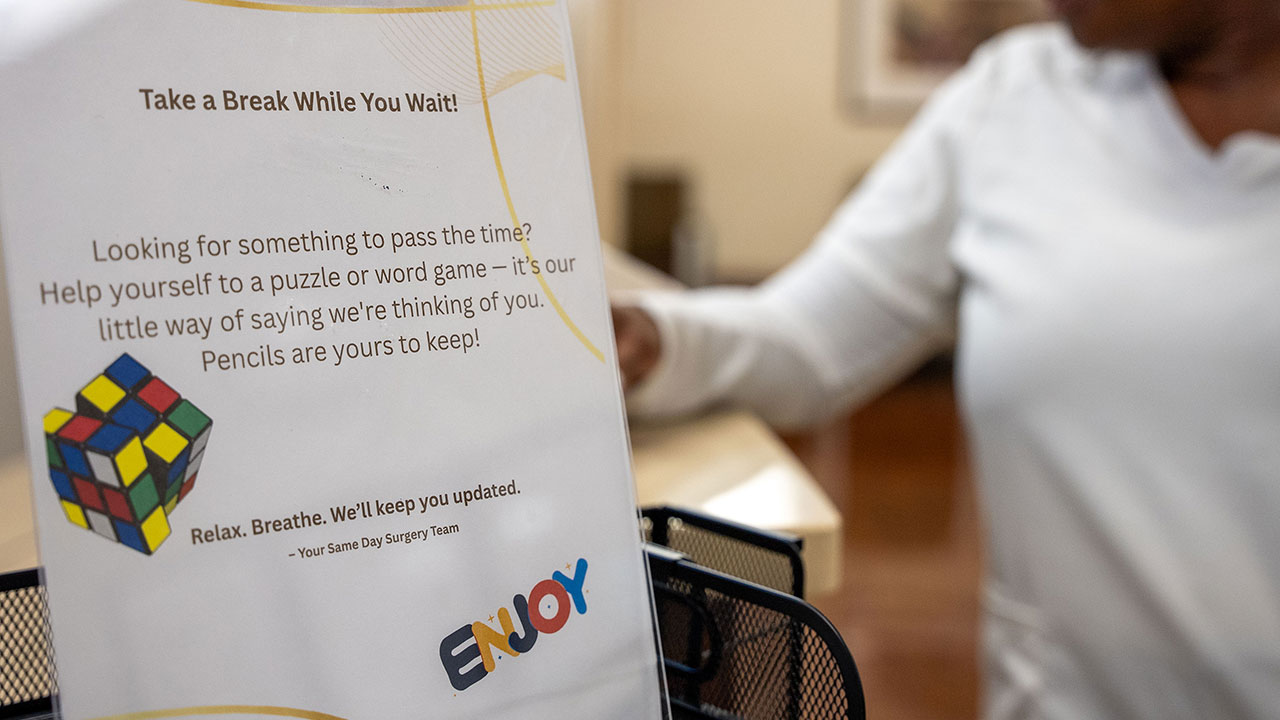
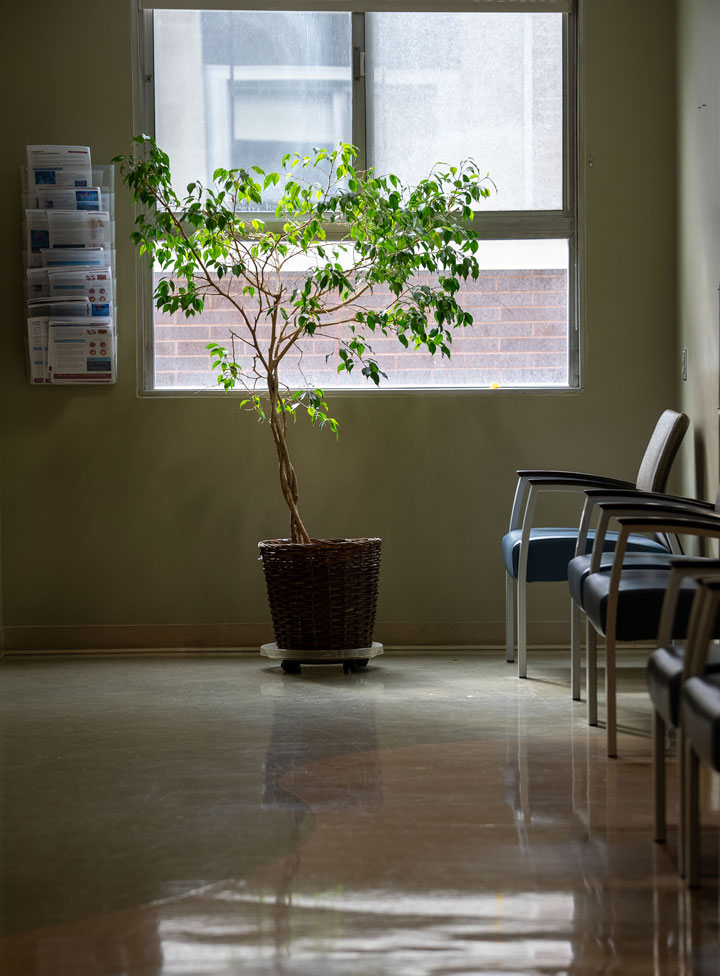
We understand that waiting is difficult. We’ve designed our family room to be as comfortable as possible. Amenities include:
How to read the status screen:
Yellow: Pre-op (same day surgery)

Purple: Pre-op (inpatient holding)

Green: In surgery (OR)

Light Blue: Recovery room (PACU)

Dark Blue: Extended recovery (awaiting room or transfer)

Pink: Back in same day surgery unit
How long is the surgery?
Surgery times vary. Factors like the procedure type and a patient’s medical history can affect timing.
Why haven’t I heard from the surgeon about my loved one’s progress in surgery?
During surgery, the team operates in a sterile field and can’t leave easily. This helps protect your loved one from infection. The surgeon will speak with you as soon as they’re able after the procedure.
When will I get an update?
The surgeon will update you in person or by phone after surgery. PACU nurses will let you know when visitation is appropriate.
Can I visit my loved one?
Yes—when it's safe and appropriate. Visitation is based on:
Please follow the guidance of our staff. If visitation isn’t possible right away, you’ll be notified when your loved one returns to their room.
What will my loved one be like after surgery?
It’s normal for patients to feel groggy, confused, or nauseous. These effects usually fade with rest. Medications are available to manage pain or discomfort.