Image

 Serving Our Community
Health Equity Monthly Focus
By Anita Ramsetty, MD, Director of Health Equity
September 2026
"Do you have difficulty hearing?"
It's a simple, direct question — but the answer can meaningfully change a patient's health and healthcare experience. Hearing loss in adults can stem from a variety of causes, including the normal aging process, occupational exposure to loud noise, certain medication side effects, and underlying disease processes. On the surface, it may seem like just another intake question. But low hearing is linked to a range of concerning outcomes, including higher rates of cognitive decline in older adults and higher rates of readmission and annual hospital admissions. The American Speech-Language-Hearing Association also reports higher rates of social isolation and lower rates of employment among people with untreated hearing loss. For patients whose hearing loss goes untreated, this can become a barrier to their best health and to healthcare access — a health equity concern.
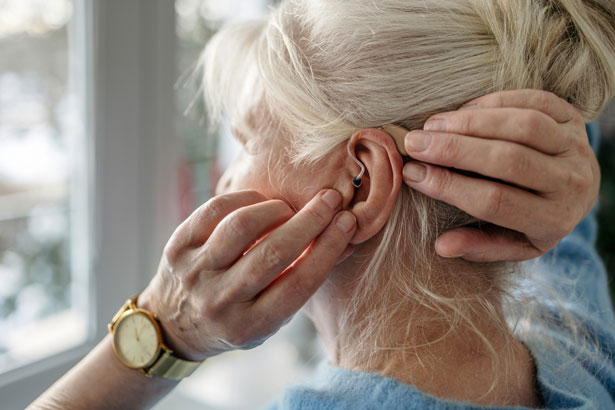
In December 2025, we began asking our adult inpatients about their ability to hear. We were surprised by how many reported some degree of hearing loss — more than 1 in 10. While some patients already use hearing aids, many don't have a hearing assistive device with them, especially during an unplanned inpatient stay. For those without a device, we're now able to offer a hearing amplifier to help meet that need.
Since launching this program, we've screened hundreds of patients and distributed close to 100 hearing amplifiers. This effort reflects our broader commitment at Englewood Health to equipping our patients to address all of their healthcare-related needs — and to our continued work toward health equity for our community.
This work is also part of a larger, nationwide movement to improve healthcare for older adults. As a recognized Age-Friendly Health System participant, Englewood Health is putting evidence-based practices into place that focus on what matters most to older adults — including their individual goals and preferences, medications, mental well-being, and mobility. The goal: safer, more personalized care as we age.