Specialized care for women experiencing pelvic floor disorders, including bladder, bowel, and pelvic support conditions
Englewood Health’s Urogynecology Program provides expert, personalized care for conditions that affect bladder control, pelvic support, and overall quality of life.
Why choose Englewood Health for urogynecology?
Pelvic floor conditions are common—but often underreported due to discomfort or stigma. These conditions can affect daily life in ways that are physical, emotional, and deeply personal.
Englewood Health’s Urogynecology Program is designed to provide expert, focused care in a supportive and understanding environment. Patients receive a comprehensive evaluation and an individualized treatment plan that addresses both symptoms and underlying causes.
Our goal is to help women regain control, confidence, and quality of life—without feeling like they have to live with these symptoms.
Conditions We Treat
We care for women with a wide range of pelvic floor disorders, including:
- Urinary incontinence: Involuntary loss of urine (see more information below)
- Overactive bladder: Frequent or urgent need to urinate, sometimes with leakage
- Pelvic organ prolapse: A feeling of pressure or bulging when pelvic organs shift out of their normal position
- Recurrent urinary tract infections (UTIs): Frequent infections that may be related to underlying bladder or pelvic floor issues
- Genitourinary fistula: An abnormal communication between two pelvic organs (i.e. the bladder, bowel and vagina) as a result of pelvic surgery, radiation or child birth
- Painful bladder syndrome (interstitial cystitis): Chronic bladder pressure or pain, often with urinary urgency and frequency
- Pelvic floor dysfunction: Weakness or poor coordination of pelvic muscles that can affect bladder, bowel, or support function
Urinary incontinence
One of the most common pelvic floor conditions women experience, urinary incontinence is the involuntary loss of urine and can significantly impact quality of life. It may occur with movement, a sudden urge to urinate, or difficulty fully emptying the bladder, and can be caused by weakened pelvic floor muscles, nerve-related conditions, or other underlying issues.
Treatment for urinary incontinence
Treatment may include lifestyle changes, pelvic floor exercises, medications, or surgical options. Care is personalized based on the type and severity of symptoms, as well as each patient’s overall health and preferences.
Our Team
Patients benefit from a collaborative approach that may include:
- Urogynecologist: Specialized expertise in pelvic floor disorders
- Colorectal Surgeons and Urologists: Provide additional expertise for complex bladder and bowel conditions
- Advanced practice providers: Help coordinate care, provide education, and support ongoing management
We regularly connect patients with pelvic floor physical therapy to support strengthening, improve function, and enhance treatment outcomes.
Meet Our Director
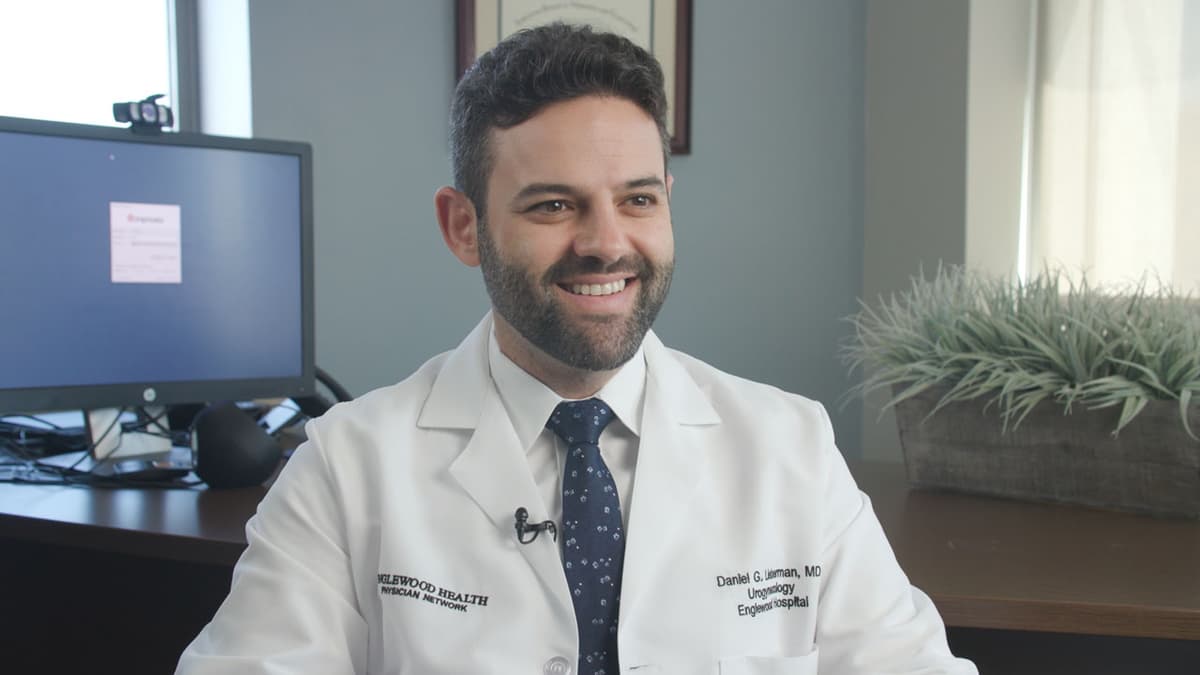
Play
Dr. Daniel Lieberman – Urogynecology
Dr. Daniel Lieberman is the director of Englewood Health's Urogynecology and Reconstructive Pelvic Surgery. He treats women with pelvic floor dysfunction. He has found that many women suffer in silence, not realizing incontinence and other conditions can be successfully treated.
Our Approach to Care
Our approach to care is centered on understanding each patient’s symptoms, lifestyle, and goals to create a treatment plan that is both effective and manageable.
Comprehensive evaluation
Every patient begins with a thorough assessment to understand the type and cause of their condition. This may include a review of symptoms, physical examination, medical history, and diagnostic testing when needed.
Conservative treatment options
Whenever possible, treatment begins with non-surgical approaches tailored to each patient’s symptoms and lifestyle. These may include pelvic floor exercises (Kegels) to strengthen muscles, behavioral strategies such as bladder training and fluid management, and guidance on body mechanics—like how to lift, move, and engage core muscles in ways that reduce strain on the pelvic floor.
Treatment may also include medications to help control symptoms and pessary fittings, a non-surgical option that can support pelvic organs and relieve symptoms.
These approaches are often effective on their own or may be combined to improve comfort, function, and quality of life without the need for surgery.
Advanced and surgical care
For patients who need additional treatment, minimally invasive surgical options are available to restore support, improve function, and relieve symptoms.
Pelvic floor disorders are incredibly common, but many women suffer in silence. Our goal is to create a space where patients feel comfortable talking about their symptoms and confident that there are effective treatments available to help them feel like themselves again.
-
Daniel Lieberman, MD, Director of Urogynecology & Reconstructive Pelvic Surgery

Signs You Should Be Evaluated
You may benefit from a urogynecology evaluation if you experience:
- Leakage of urine with coughing, laughing, or exercise
- A sudden, strong urge to urinate
- Frequent urination
- A feeling of pressure or bulging in the pelvic area
- Difficulty emptying your bladder
- Recurrent urinary tract infections
- Loss of bowel control
- Pelvic discomfort or pain
To make an appointment, call: 201-431-2010